Saving Slovenia’s “Human Fish”
Scientists in this Central European country are leading the charge to understand and protect a charismatic, cave-dwelling salamander—and the subterranean habitats that supply much of the region's drinking water.


Scientists in this Central European country are leading the charge to understand and protect a charismatic, cave-dwelling salamander—and the subterranean habitats that supply much of the region's drinking water.

The ongoing COVID-19 pandemic has exposed long-standing weaknesses in how we protect African wilderness and species. But it has also given us an opportunity to vastly improve our approach to these urgent challenges.

A reimagined approach to an age-old practice is helping to fight malnutrition in Madagascar—and may have the added benefit of protecting the island nation's imperiled primates and the forests they call home.
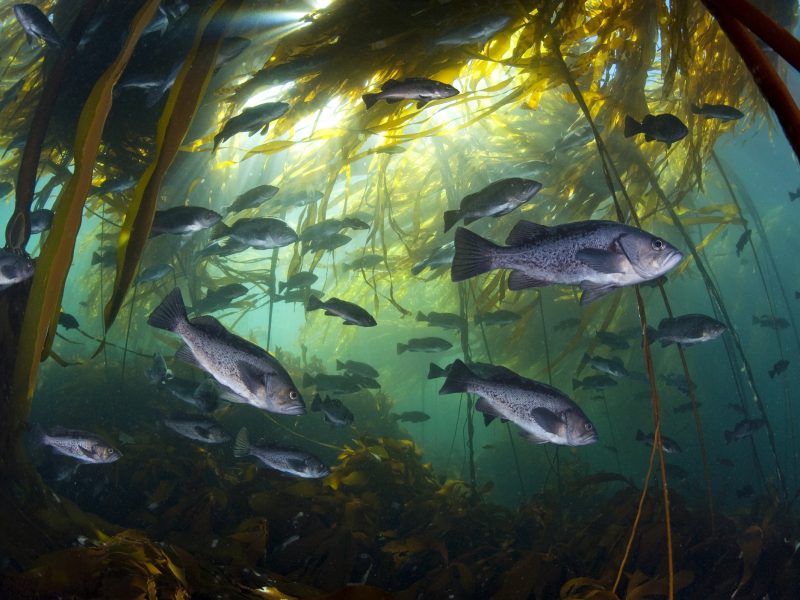
A collaboration between Haida tradition and Western science may offer a way to bolster both Haida culture and the marine ecosystem intertwined with it.
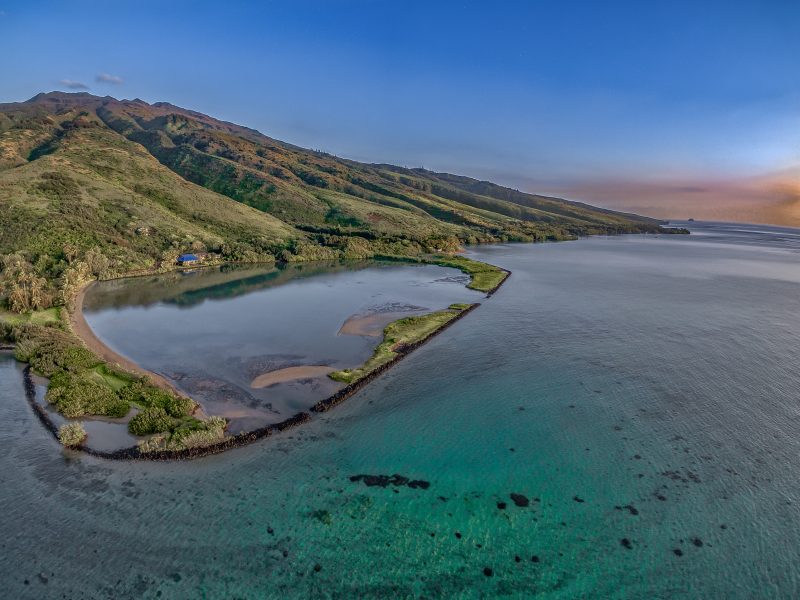
In an ocean state that now imports half of its seafood, a determined group of activists is restoring the age-old aquaculture practices of Native Hawaiians.

In one coastal Mexican town, a sustainable fishery anchors the community. So why has Florida outlawed the same fishing methods?
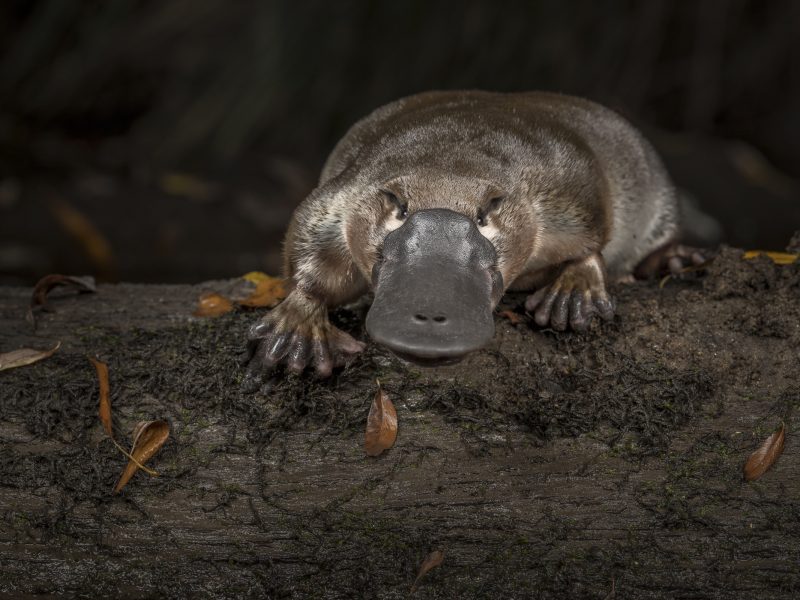
The more scientists learn about this strange, elusive species, the more concerned they become about its future. But these new insights may ultimately help to save it.
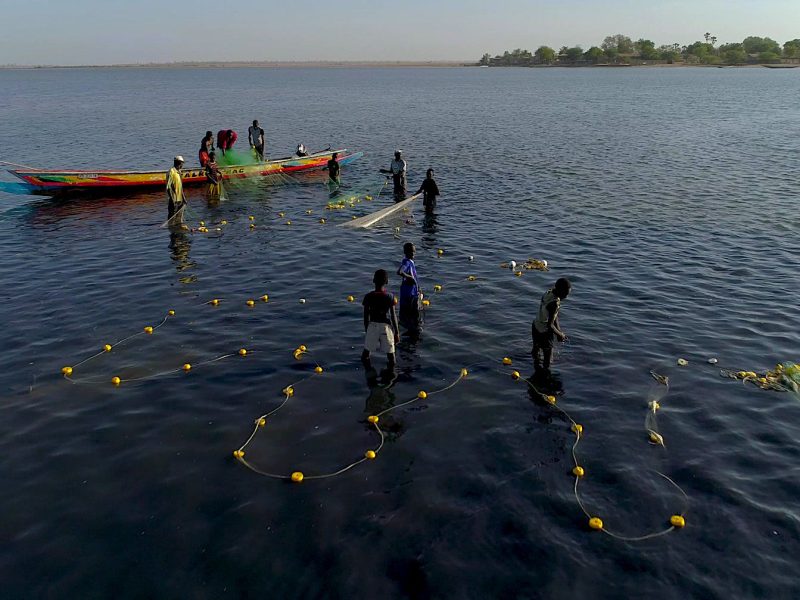
Restoring native crustaceans along West Africa’s Senegal River may be a critical step in controlling one of the world’s deadliest tropical diseases.

Community-led conservation has taken root in a remote corner of Papua New Guinea. Now the plan’s architects must ensure that ecological protection and economic prosperity can coexist.

Peruvian chefs and Amazon dwellers hope the answer is yes—and that the path to salvation will be sabroso.

We’re 38 percent of the way there! Help us reach $20,000 by October 2.