
Photograph by Ann & Steve Toon
Story by Christopher Solomon
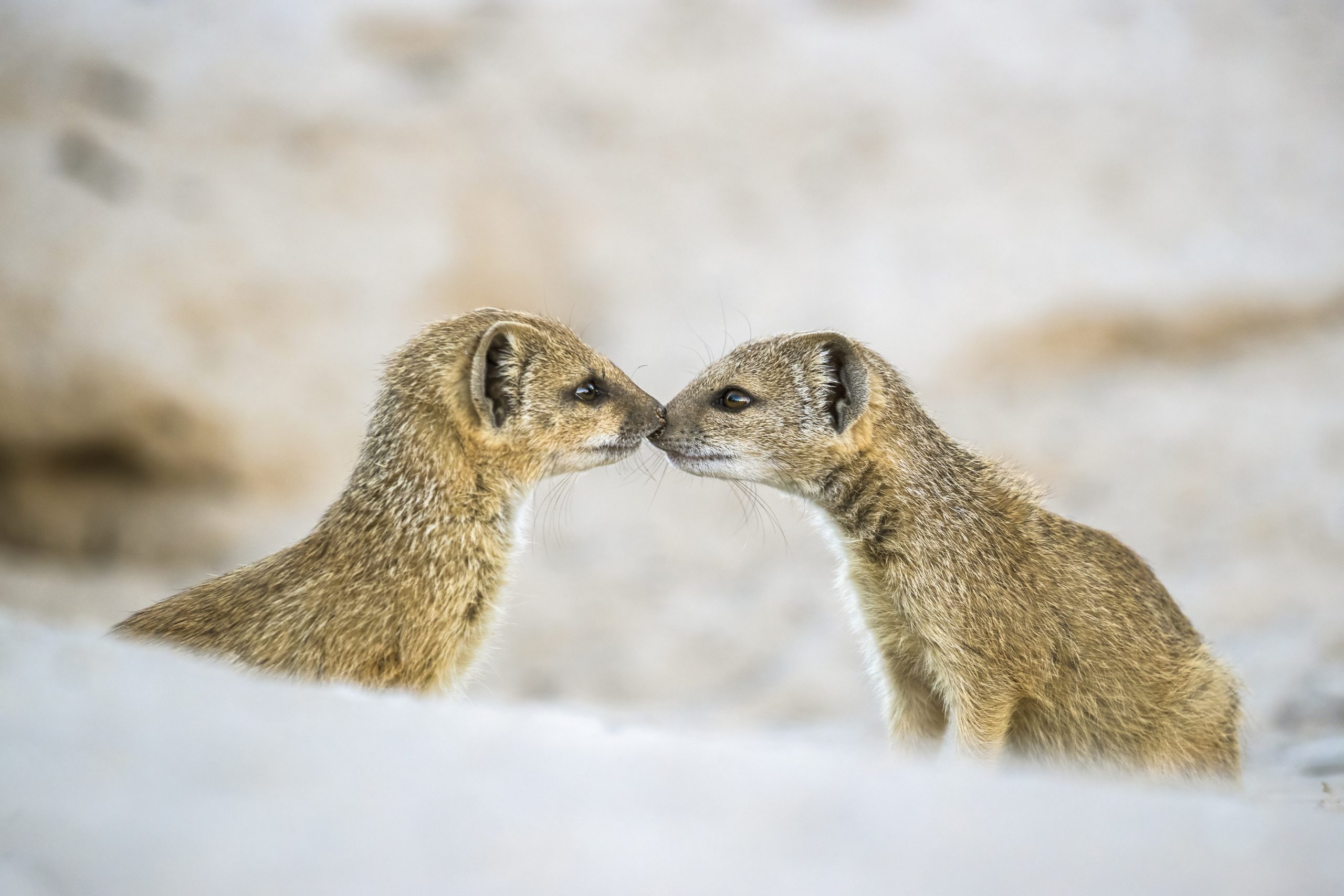
It’s an unforgiving world. Sometimes the best strategy for survival is to team up with others. The two young yellow mongooses seen here are likely siblings, living in a family group of up to 20 individuals, from newborns to adults, who cooperate to confront the challenges of their inhospitable habitat.
One of 34 species of mongoose worldwide, the yellow mongoose (Cynictis penicillata) lives in dry, sandy lands from Namibia to Botswana to northern South Africa. Its home can be merciless: Kgalagadi Transfrontier National Park, a “peace park” that straddles the border of South Africa and Botswana and where this photo was taken, receives fewer than nine inches of rainfall annually; native peoples called the area “the thirstland.” Temperatures can reach 40 degrees Celsius (104 degrees Fahrenheit) by day, then plunge to -11 Celsius (12 degrees Fahrenheit) at night. Weighing in at only half a kilogram (just over a pound), yellow mongooses are easy meals for predators, from snakes to jackals to eagles.
To survive in this landscape, yellow mongooses use their powerful front paws to dig elaborate warrens that can reach a meter and a half (five feet) underground, protecting them from both temperature swings and predators. The warrens often have numerous chambers and can have dozens of exits, usually placed under thorny acacia bushes that serve as barbed barriers against intruders.
A larger group size provides more chances for members of the group to detect threats. When out of their burrows, the mongooses rise up on their hind legs to scan the horizon—a stance similar to that of their cousins the meerkats. This perhaps explains why the yellow mongoose is sometimes called the red meerkat. Large family groups also allow individuals to spend less time surveilling surroundings and more time foraging for termites, beetles, and mice.
“They have a particular fondness for scorpions, which they dig out of the ground,” says photographer Steve Toon, who along with his photographer wife, Ann, saw this pair during one of the Toons’ many visits to Kgalagadi, a favorite location.
Yellow mongooses don’t only trade neighborhood-watch duties with their own species. They also frequently share burrows with meerkats and Cape ground squirrels, which fear the same predators. The mongooses have even evolved the ability to eavesdrop on ground squirrels and recognize their alarm calls, sometimes freeloading on squirrels’ other defense mechanisms as well. When Cape ground squirrels “mob,” or harass, predators such as snakes, mongooses hang back—despite being quick and ferocious fighters themselves who possess some immunity to the neurotoxins in snake venom.
Most mongoose species live throughout sub-Saharan Africa, and they are as eclectic as the members of any family: The water mongoose is semi-aquatic, has teeth adapted to crush hard shells of crabs, and resembles an otter. The dwarf mongoose, Africa’s smallest carnivore, measures only 17 centimeters (seven inches) long, tail not included. The banded mongoose, which favors grasslands and woodlands, wears the black-and-white stripes of a chain-gang. The Egyptian mongoose, known as the “Pharaoh’s Cat,” was a holy animal in ancient Egypt; archeologists have found their mummified remains.
Yellow mongooses, curious and versatile, adapt easily to life near humans and are frequently seen around safari camps. Some farmers dislike them, though. The animals have a taste for chicken eggs, cracking them open by launching them against rocks. Mongooses can also carry rabies—one more reason that humans sometimes catch and kill them. Still, the yellow mongoose population is believed to be doing well: population estimates range from 10 to 65 million. Its diet of insects and rodents may make it an unsung pest-control hero for humans. It also may be able to teach us a few things about cooperating with others in a harsh world.
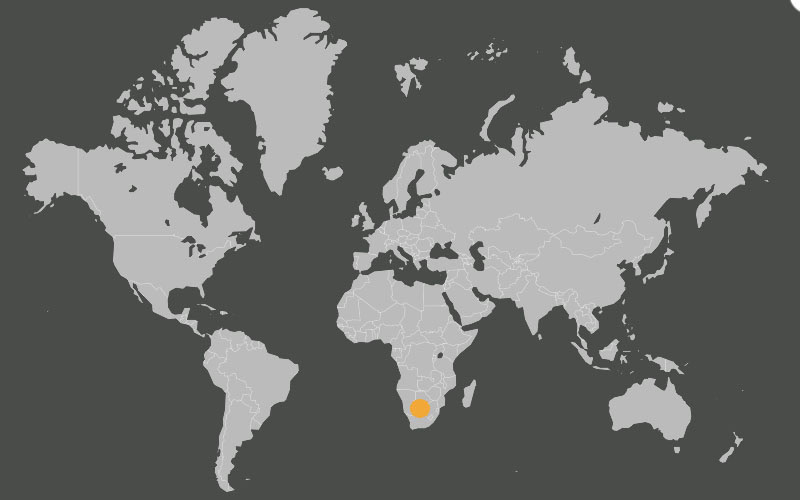
Kgalagadi Transfrontier Park, South Africa
Related Articles
The Wonder of a Pale Whale
A curious calf with an atypical birthday suit is a good sign for southern right whales.
Saying “Ah!” at the Shrimp Spa
On coral reefs, an army of tiny cleaners eat their clients’ parasites, food particles, and dead skin, boosting biodiversity in the process.
Friends or Foes?
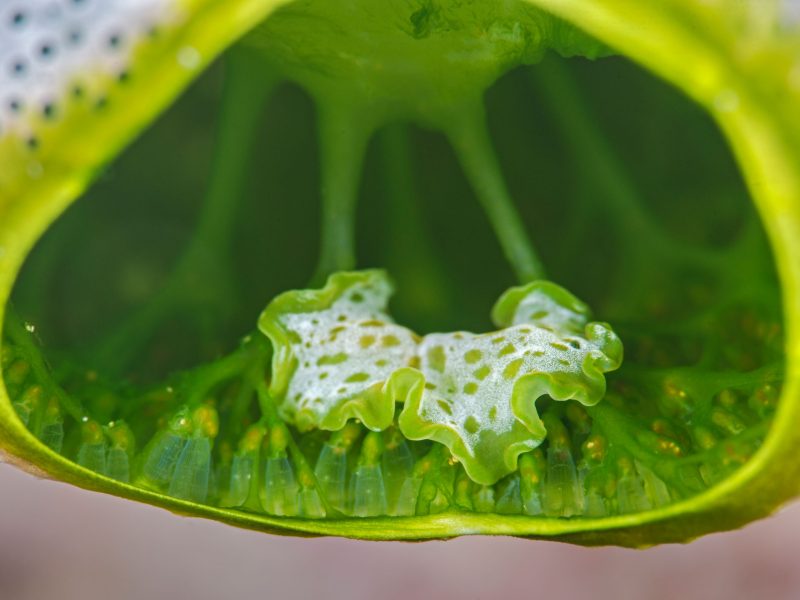
A flatworm and a sea squirt mingle in the tropical waters of West Papua, offering a glimpse into the complexity of interspecies relationships.
