
Photograph by Sven Zacek
Story by Steven Bedard
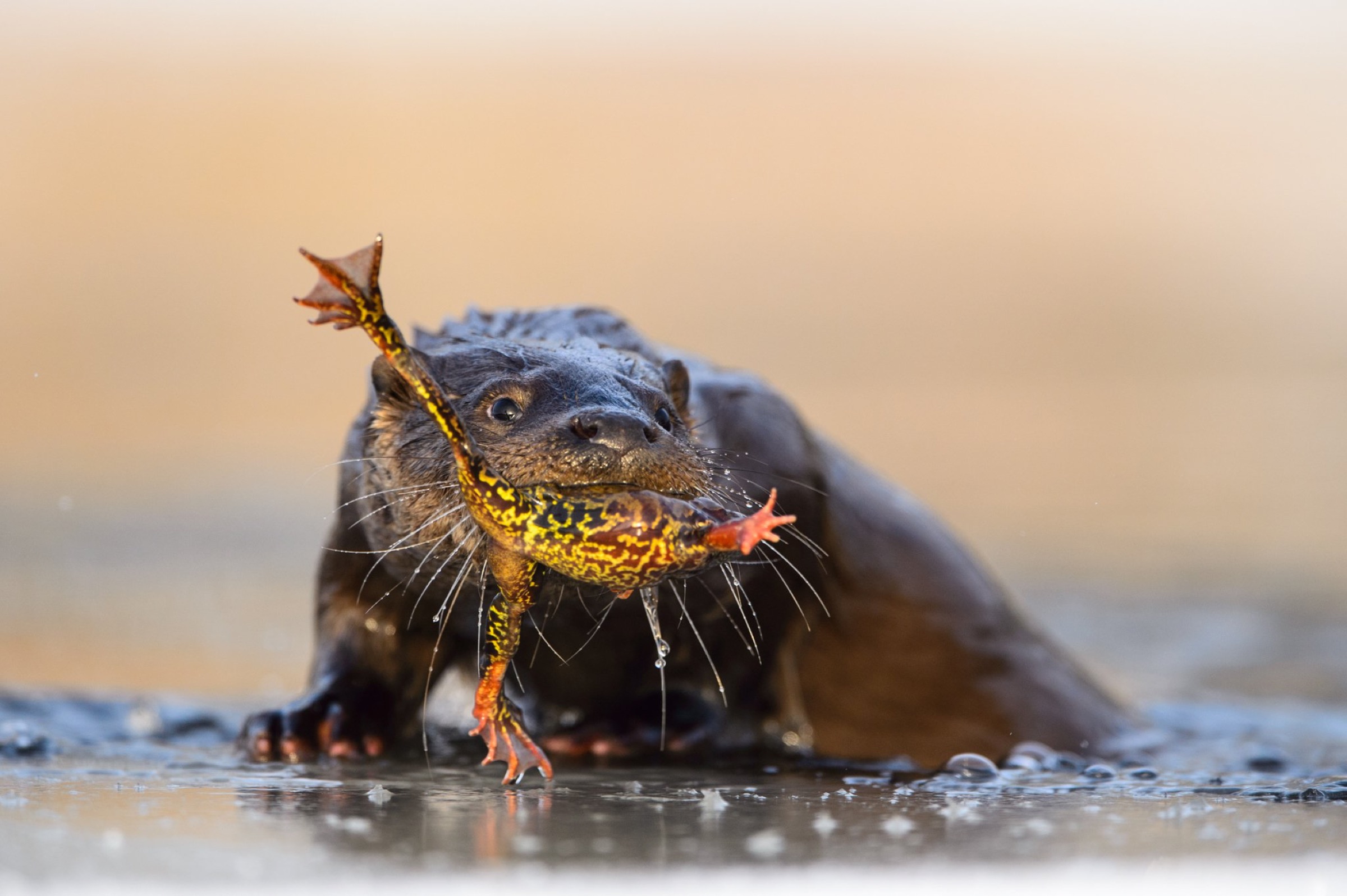
Although most European otters (Lutra lutra) tend to prey primarily on fish, some have developed a taste for frogs and toads—a food choice that requires some deft preparation. Because common toads (Bufo bufo) have toxins in both their skin and the glands on either side near the front of their bodies, these resourceful otters use their sharp teeth to remove the skin from the back half of the toads and then eat just the hind legs. While common frogs (Rana temporaria), like the hapless individual in this photograph, don’t have toxic skin or glands, most otters appear to not know the difference, and generally play it safe by following the same food-prep routine they use on toads. In river systems where the otter’s traditional foods—including salmon, butterfish, and eels—are in decline, amphibians have become an increasingly important part of their diet. At the same time, the otters have become increasingly resourceful. In recent years, a number of individuals have been observed completely removing the skin from frogs and toads, an extra step that allows them to eat both the front and hind legs of their amphibian prey. Photographer Sven Zacek spent 10 days watching this female otter hunt along a river in southern Estonia. Zacek recounts that this proficient hunter brought up a meal after every dive—and on almost every occasion, that meal was a frog.
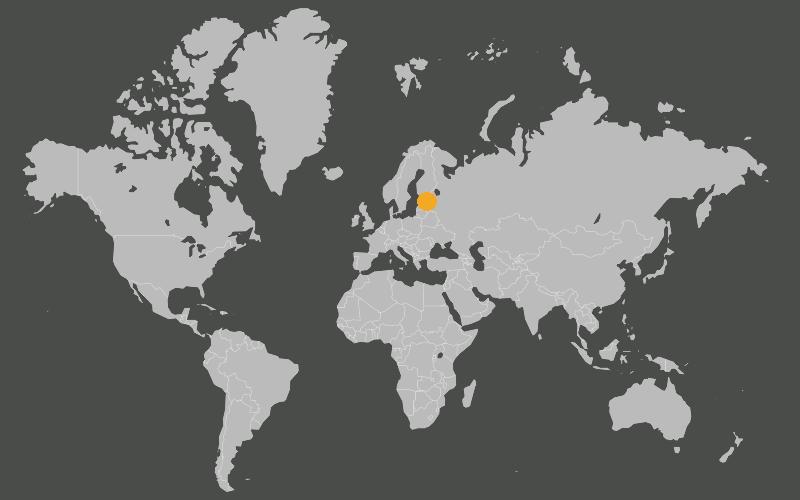
Southern Estonia
Hi, I’m Dave, the executive director of bioGraphic. (And that’s my dog, Finn.) Thanks for taking the time to read this story.
Stories like this simply don’t get produced without financial support from readers like you. bioGraphic is an independent non-profit—we’re not backed by a private company or owned by a billionaire. One-quarter of our budget comes directly from reader donations.
bioGraphic publishes environmental reporting that you can’t find anywhere else: deeply researched, trustworthy stories that are also beautiful and captivating to read. Right now, we need your help to raise $20,000 by October 2. Every dollar will go directly to more crucial reporting projects.
Around the world, governments are slashing funding for conservation and scientific research, placing even more ecosystems and wildlife at risk. At bioGraphic, we’re steadfastly shining a light on the threats to our planet’s incredible biodiversity. And we’re showcasing the hard work of people bravely taking action to protect at-risk species.
bioGraphic offers an antidote to apathy and doom-and-gloom news by revealing the wonders of the natural world and focusing on real solutions to big problems. When you finish a bioGraphic story, we want to leave you feeling informed, delighted, and inspired.
We don’t run ads or hide our stories behind a paywall. The readers who generously support bioGraphic allow our work to remain free for everyone.
Will you help us raise $20,000 by October 2?

Related Articles
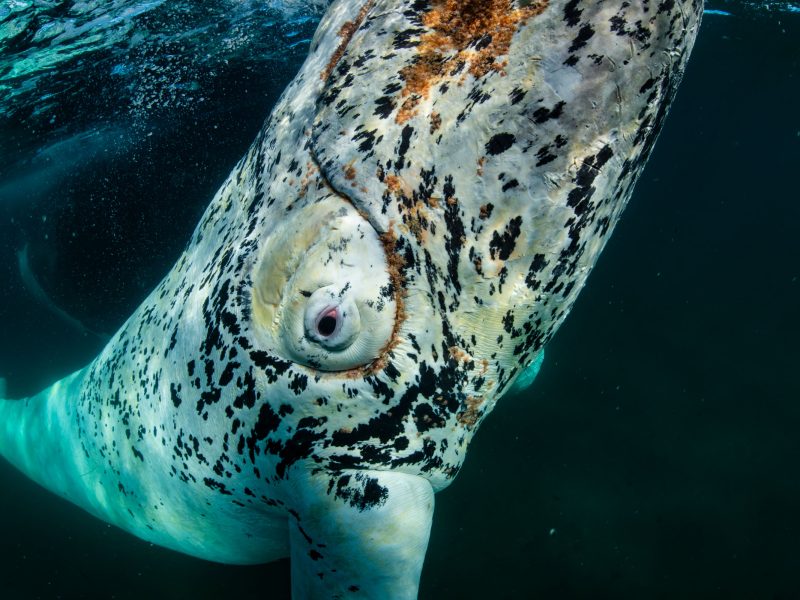
The Wonder of a Pale Whale
A curious calf with an atypical birthday suit is a good sign for southern right whales.
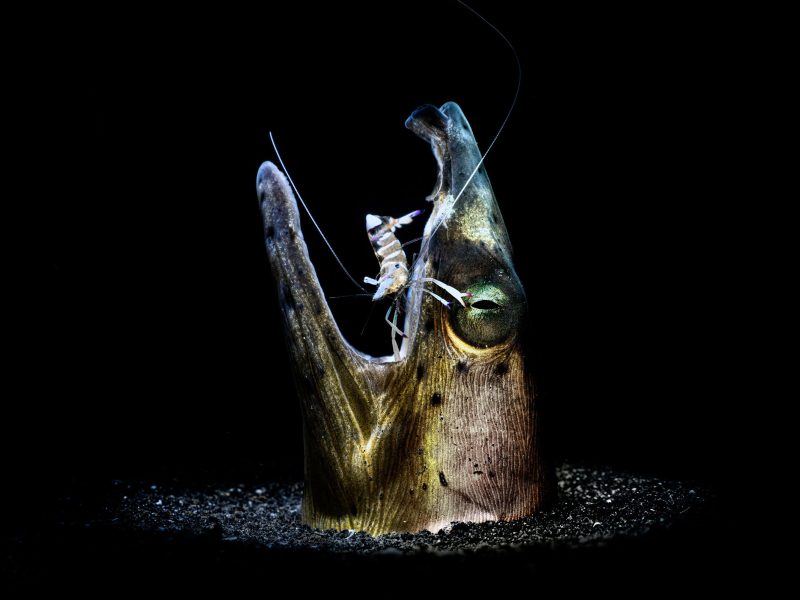
Saying “Ah!” at the Shrimp Spa
On coral reefs, an army of tiny cleaners eat their clients’ parasites, food particles, and dead skin, boosting biodiversity in the process.
Friends or Foes?
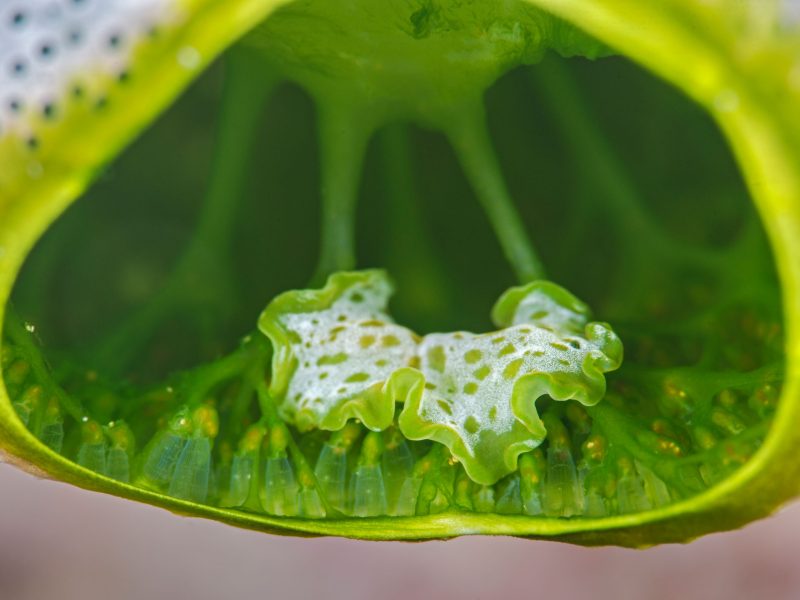
A flatworm and a sea squirt mingle in the tropical waters of West Papua, offering a glimpse into the complexity of interspecies relationships.
